Saturday, 5 February 2011

iPad


iPad

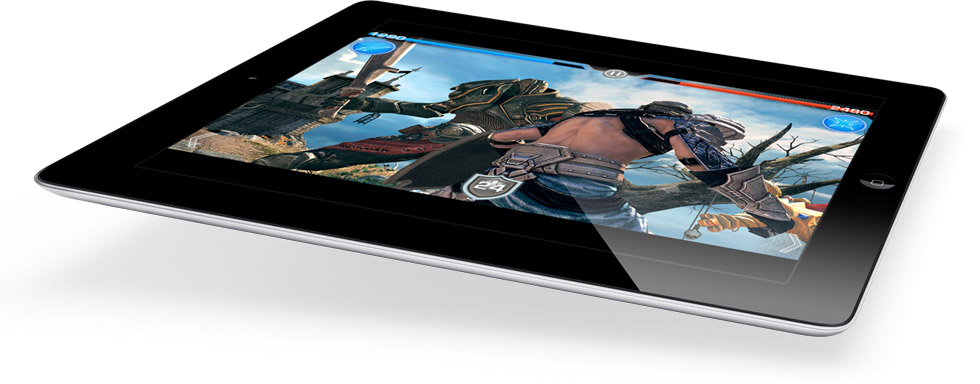
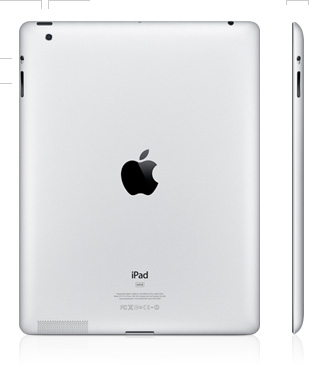
The iPad is a line of tablet computers designed, developed and marketed by Apple Inc., primarily as a platform for audio-visual media including books, periodicals, movies, music, games, and web content. The iPad was introduced on January 27, 2010 by Apple's then-CEO Steve Jobs. Its size and weight fall between those of contemporary smartphones and laptop computers. The iPad runs the same operating system as the iPod Touch and iPhone—and can run its own applications as well as iPhone applications. Without modification, the iPad will only run programs approved by Apple and distributed via the Apple App Store (with the exception of programs that run inside the iPad's web browser).
Like iPhone and iPod Touch, the iPad is controlled by a multitouch display—a departure from most previous tablet computers, which used a pressure-triggered stylus—as well as a virtual onscreen keyboard in lieu of a physical keyboard. The iPad uses a Wi-Fi connection to access local area networks and the Internet. Some models also have a 3G wireless network interface which can connect to HSPA or EV-DO data networks and on to the Internet. Since the release of iOS 5, the device does not need to be managed and synced by iTunes running on a personal computer via USB cable.
Apple released the first iPad in April 2010, and sold 3 million of the devices in 80 days. During 2010, Apple sold 14.8 million iPads worldwide, representing 75 percent of tablet PC sales at the end of 2010.
By the release of the iPad 2 in March 2011, more than 15 million iPads had been sold—selling more than all other tablet PCs combined since the iPad's release. In 2011, it is expected to take 83 percent of the tablet computing market share in the United States.
Apple's first tablet computer was the Newton MessagePad 100, introduced in 1993, which led to the creation of the ARM6 processor core with Acorn Computers. Apple also developed a prototype PowerBook Duo-based tablet, the PenLite, but decided not to sell it in order to avoid hurting MessagePad sales. Apple released several more Newton-based PDAs; the final one, the MessagePad 2100, was discontinued in 1998.
Apple re-entered the mobile-computing markets in 2007 with the iPhone. Smaller than the iPad but featuring a camera and mobile phone, it pioneered the multitouch finger-sensitive touchscreen interface of Apple's iOS mobile operating system. By late 2009, the iPad's release had been rumored for several years. Such speculation mostly talked about "Apple's tablet"; specific names included iTablet and iSlate. The actual name is reportedly an homage to the Star Trek PADD, a fictional device very similar in appearance to the iPad. The iPad was announced on January 27, 2010, by Steve Jobs at an Apple press conference at the Yerba Buena Center for the Arts in San Francisco.
Jobs later said that Apple began developing the iPad before the iPhone, but temporarily shelved the effort upon realizing that its ideas would work just as well in a mobile phone. The iPad's internal codename was K48, which was revealed in the court case surrounding leaking of iPad information before launch.


Saturday, 1 January 2011

Latest electronics

Kinect for Xbox360

Kinect for Xbox 360, or simply Kinect (originally known by the code name Project Natal),is a motion sensing input device by Microsoft for the Xbox 360 video game console. Based around a webcam-style add-on peripheral for the Xbox 360 console, it enables users to control and interact with the Xbox 360 without the need to touch a game controller, through a natural user interface using gestures and spoken commands. The project is aimed at broadening the Xbox 360's audience beyond its typical gamer base.[10] Kinect competes with the Wii Remote Plus and PlayStation Move with PlayStation Eye motion controllers for the Wii and PlayStation 3 home consoles, respectively. A version for Windows will be released in Early 2012.
Kinect was launched in North America on November 4, 2010,in Europe on November 10, 2010, in Australia, New Zealand and Singapore on November 18, 2010 and in Japan on November 20, 2010.[ Purchase options for the sensor peripheral include a bundle with the game Kinect Adventures and console bundles with either a 4 GB or 250 GB Xbox 360 console and Kinect Adventures.
After selling a total of 8 million units in its first 60 days, the Kinect holds the Guinness World Record of being the "fastest selling consumer electronics device". 10 million units of the Kinect sensor have been shipped as of March 9, 2011.
Microsoft released a non-commercial Kinect software development kit for Windows on June 16, 2011, with a commercial version following at a later date. This SDK will allow .Net developers to write Kinecting apps in C++/CLI, C#, or Visual Basic .NET.


Thursday, 8 December 2011

Electric Bicycles

Electric Bicycles

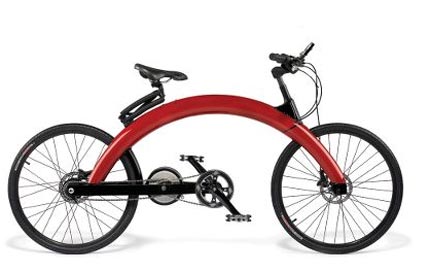
An electric bicycle, also known as an e-bike, is a bicycle with an electric motor used to power the vehicle. Electric bicycles typically cost between US$500 and US$3,000, use rechargeable batteries and can travel up to 15 to 20 miles per hour (24 to 32 km/h). Depending on the laws of the country in which they are sold, in some markets they are rapidly replacing traditional bikes and motorcycles.
In many parts of the world, electric bicycles are classified as bicycles rather than motor vehicles, so they are not subject to the more stringent laws regarding certification and operation of motor vehicles. Electric bicycles are one type of motorized bicycle. However, electric bicycles are defined separately and treated as a specific vehicle type in many areas of legal jurisdiction.
Electric bicycle usage worldwide has experienced rapid growth since 1998. It is estimated that there were roughly 120 million e-bikes in China as of early 2010, and sales are expanding rapidly in India,the United States of America, the Netherlands and Switzerland. A total of 700,000 electric bicycles were sold in Europe in 2010, up from 200,000 in 2007 and 500,000 units in 2009.


Tuesday, 8 November 2011

Microsoft Surface ( Tabletop ) atest technology, Microsoft Surface.microsoft tabletop, table computer, table pc, table top, touch computer

Microsoft Surface ( Tabletop )

Microsoft Surface (codename Milan) is a multi-touch product from Microsoft which is developed as a software and hardware combination technology that allows a user, or multiple users, to manipulate digital content by the use of gesture recognition. This could involve the motion of hands or physical objects. It was announced on May 29, 2007 at the D5 conference. Targeted customers are in the hospitality businesses, such as restaurants, hotels, retail, public entertainment venues and the military for tactical overviews. The preliminary launch was on April 17, 2008, when Surface became available for customer use in AT&T stores. The Surface was used by MSNBC during its coverage of the 2008 US presidential election; and is also used by Disneyland’s future home exhibits, as well as various hotels and casinos. The Surface was also featured in the CBS series CSI: Miami and EXTRA! Entertainment news. As of March 2009, Microsoft had 120 partners in 11 countries that are developing applications for Surface's interface. On January 6, 2011, Microsoft previewed the latest version of Microsoft Surface at Consumer Electronics Show (CES) 2011, simply named Microsoft Surface 2.0, which was built in partnership with Samsung.